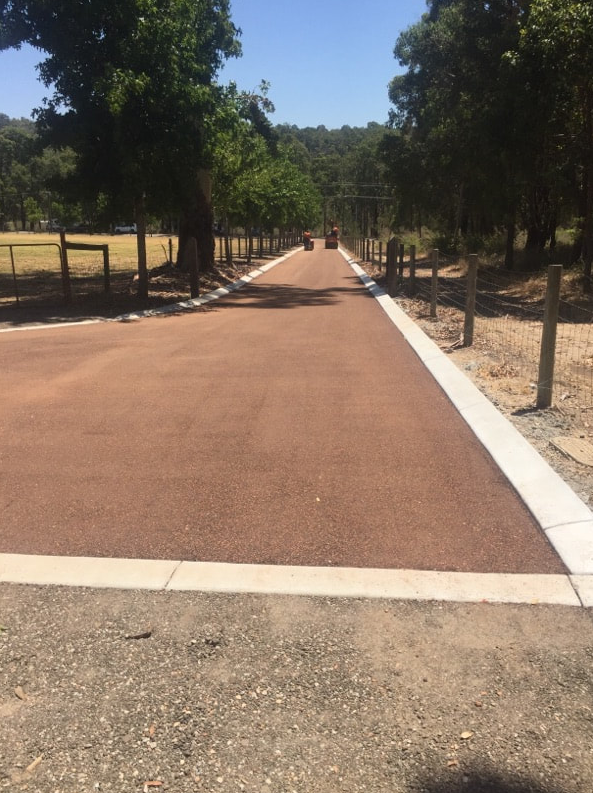
Spray and seal bitumen is a practical surfacing solution used to protect roads, accessways and suitable driveway surfaces from the effects of traffic and weather. It combines a sprayed bitumen binder with a layer of aggregate to create a durable, textured surface that helps protect the underlying pavement.
For property owners and businesses in Wagga Wagga, NSW, spray and seal can be a useful option for improving suitable access areas and maintaining existing surfaces. Understanding how the process works, where it performs best and what preparation is required can help you decide whether it is the right solution for your property.
What Is Spray and Seal Bitumen?
Spray and seal is a bituminous surfacing method in which a controlled layer of bitumen binder is applied to a prepared surface, followed by aggregate that is spread and compacted into the binder.
The bitumen helps bind the aggregate to the pavement, while the stone provides a textured wearing surface. Together, these layers help protect the pavement beneath and provide a suitable finish for areas designed to accommodate regular vehicle movements.
Unlike conventional asphalt, which uses a mixed material containing bitumen and aggregate, spray and seal is generally applied in separate stages. Depending on the project’s requirements, a single or multiple seal treatment may be used to achieve the desired performance.
How Does the Spray and Seal Process Work?
A successful spray and seal application depends on careful preparation, accurate application and appropriate compaction. Each stage contributes to the finished surface’s durability.
1. Surface Preparation
The existing pavement must be assessed before work begins. Loose material, excessive dirt and other contaminants can interfere with the bond between the bitumen and the underlying surface.
Where necessary, damaged areas may need to be repaired, and the pavement should be prepared to provide a suitable base. Drainage problems and significant surface defects should also be addressed before sealing.
Applying a seal over an unsuitable or unstable surface can lead to premature deterioration, so preparation is an essential part of the process.
2. Application of the Bitumen Binder
Once the surface is ready, bitumen binder is sprayed evenly across the prepared area using appropriate equipment. The quantity and type of binder must be selected to suit the surface condition, aggregate size and expected traffic.
Correct application helps create an effective bond while reducing the likelihood of problems such as loose aggregate or excessive binder on the finished surface.
3. Spreading the Aggregate
Suitable aggregate is distributed over the freshly applied binder. The stone must be spread evenly to provide consistent coverage and a uniform surface texture.
Aggregate selection is important because particle size, shape and durability influence how well the surface performs under traffic.
4. Rolling and Compaction
The aggregate is rolled into the binder to establish good contact and help secure the stones in place. Appropriate rolling encourages an even finish and supports the development of a stable wearing surface.
The newly treated area may require temporary traffic restrictions while the seal settles. Following the contractor’s guidance about when the surface can be used helps protect the finished work.
Where Is Spray and Seal Most Effective?
Spray and seal can be suitable for a range of surfaces around Wagga Wagga, NSW, provided the pavement is properly designed and prepared for its intended use.
Rural and Property Access Roads
Access roads serving rural properties can benefit from a sealed surface that helps limit water entering the pavement and reduces dust compared with an unsealed gravel road. The underlying base must still provide adequate strength and drainage to withstand vehicle movements.
Driveways and Private Accessways
For suitable residential and commercial driveways, spray and seal offers a practical alternative to some other bituminous surfacing methods. It can create a textured finish for everyday vehicle access when the base is stable and the surface is designed for the expected traffic.
The suitability of the treatment depends on factors such as driveway gradients, turning movements, drainage and the condition of the existing pavement.
Car Parks and Low-Traffic Access Areas
Certain car parks, service areas and private accessways can also be suitable candidates. A properly designed seal can help protect the pavement from moisture and everyday wear.
Areas exposed to frequent heavy braking, tight turning movements or concentrated heavy vehicles may require a different surface design or additional consideration to ensure reliable performance.
Existing Bitumen Surfaces
Spray and seal may be used to maintain or protect suitable existing bitumen pavements. It can help renew the wearing surface and reduce water penetration when the underlying pavement remains structurally sound.
However, it is not a substitute for repairing major potholes, extensive cracking, failed foundations or persistent drainage problems.
Benefits of Spray and Seal Bitumen
When correctly specified and installed, spray and seal can provide several practical benefits:
- Moisture protection: Helps limit water penetration into the pavement when the seal remains intact.
- Surface durability: Provides a protective wearing layer suited to the expected traffic and site conditions.
- Improved texture: Aggregate creates a textured finish that can contribute to tyre grip when properly designed and maintained.
- Reduced dust: Sealing an appropriate unsealed surface can reduce dust generated by vehicle movements.
- Maintenance flexibility: Suitable pavements can be resealed as part of a planned surface maintenance programme.
Actual performance depends on the quality of the pavement base, drainage, materials, installation and ongoing maintenance.
Is Spray and Seal Right for Your Property in Wagga Wagga?
Before choosing spray and seal, consider the condition of the existing surface, the amount and type of traffic, drainage requirements and the finish you want to achieve.
A sound, well-drained pavement is generally a better candidate than one with widespread structural damage or persistent water problems. A site assessment can help establish whether repairs are needed first and whether a single or multiple seal treatment is appropriate.
Regular inspections can also help identify loose aggregate, cracking, surface wear and drainage issues before they develop into more significant problems.
Conclusion
Spray and seal bitumen is a versatile surfacing method that can help protect suitable roads, driveways and access areas from moisture and everyday wear. Its effectiveness depends on careful preparation, suitable materials, correct application and a stable pavement beneath.
For property owners and businesses in Wagga Wagga, NSW, Wagga Wagga Road Tech can help assess your surfacing requirements and determine whether spray and seal is a suitable option for your site. Get in touch to discuss your project and arrange professional advice on the right surface treatment for your needs.
Call us on: 02 5926 2530
Click here to find out more about Wagga Wagga Road Tech
Click here to complete our contact form and see how we can help with your driveway needs.