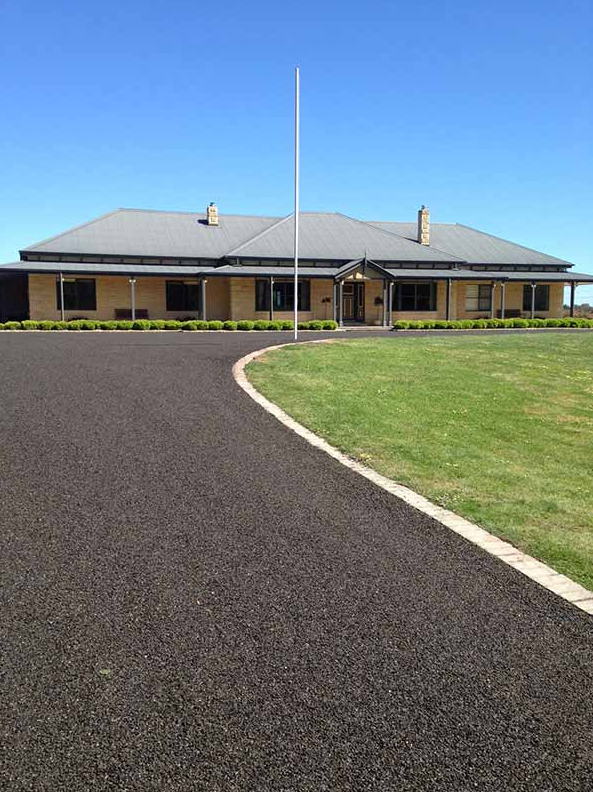
A driveway does not usually fail without warning. Cracks, fading and isolated surface defects often develop gradually before more extensive deterioration becomes obvious. Identifying these changes early can help determine whether resurfacing is suitable or whether the underlying base also requires attention.
For property owners in Wagga Wagga, NSW, Australia, a professional assessment can distinguish between minor damage, widespread surface wear and deeper structural failure. Resurfacing can restore a worn driveway effectively, but only when the existing foundation remains stable.
Signs That Driveway Resurfacing May Be Appropriate
Resurfacing involves preparing the existing driveway and installing a new surface layer over it. This can improve appearance and driving quality while protecting the structure below. However, it should not be used to conceal problems caused by a weak, moving or poorly drained base.
Cracks Are Appearing Across Several Areas
A few isolated cracks can often be repaired locally. When cracking begins to appear across a larger part of the driveway, it may indicate that the surface layer has become aged and brittle.
Cracks allow water to enter the pavement, where it can weaken supporting materials and encourage further movement. Resurfacing may be suitable when the cracks are relatively shallow and the driveway remains level and stable.
Widespread interconnected cracking, deep movement or cracks that reopen after repair may indicate a problem below the surface. These conditions require a more detailed investigation.
The Surface Is Becoming Dry and Brittle
An ageing asphalt surface can gradually lose its rich, uniform appearance and become dry, faded or rough. Small particles may begin breaking away, particularly along wheel paths and exposed edges.
This change means that the surface is losing its ability to bind together effectively. Resurfacing before the material breaks apart more extensively can restore a protective wearing layer and help prevent moisture from reaching the base.
Loose Aggregate Is Collecting on the Driveway
Some loose material can appear through normal use, but an increasing amount of aggregate across an asphalt driveway may indicate surface deterioration.
Look for:
- Small stones collecting near the edges
- A rougher texture in frequently used areas
- Bare or open patches
- Material loosening beneath vehicle tyres
- Increasing difficulty sweeping the surface clean
If deterioration remains within the upper layer, resurfacing may provide an effective solution. Deeper breakup or movement may require more extensive preparation.
Shallow Potholes Keep Returning
A single pothole can result from a localised weakness. If several shallow potholes develop or repaired areas repeatedly break down, the surrounding surface may no longer be strong enough to support isolated patching.
Resurfacing can create a continuous new layer rather than leaving numerous separate repairs. Before proceeding, the cause of each pothole should be addressed and any unstable material removed.
Potholes that extend into the base may require reconstruction of the affected area before a new surface is applied.
Previous Repairs Are Becoming Numerous
Local repairs are useful when defects are confined. Over time, however, repeated patches can leave a driveway uneven and visually inconsistent.
A growing number of repaired areas may suggest that the original surface is approaching the end of its serviceable condition. Resurfacing can provide a more uniform finish, provided the patches and surrounding pavement remain structurally stable.
Water Is Collecting in New Areas
Puddles that were not previously present can indicate that the surface has developed shallow depressions or lost its intended falls. Standing water increases the time moisture remains in contact with the driveway and can accelerate deterioration around cracks and weakened edges.
Minor surface irregularities may sometimes be corrected during resurfacing. Significant depressions, however, can indicate settlement within the base or underlying ground. Simply covering them may allow the same shape to return through the new layer.
Wheel Paths Are Becoming Visible
Repeated vehicle movement can gradually create worn tracks or shallow depressions. Light surface wear may be suitable for resurfacing, especially where the driveway remains firm and does not flex under load.
Pronounced rutting suggests that the pavement layers may be deforming under vehicle weight. The depth and cause of the wheel paths should be established before deciding on the appropriate work.
The Edges Are Breaking Away
Driveway edges can deteriorate when they lack support or are repeatedly driven over. Small cracks may develop into crumbling sections that gradually reduce the usable width of the surface.
Resurfacing may form part of the solution, but weakened edges must first be rebuilt and supported correctly. Laying a new surface over loose margins will not create a durable result.
The Driveway Feels Uneven Under Vehicles
A driveway that feels increasingly rough may have lost surface aggregate, developed multiple patches or formed small depressions. Resurfacing can restore a smoother and more consistent driving surface when these defects are confined to the upper layer.
Noticeable movement, sinking or rocking beneath vehicle weight points towards a foundation problem. These symptoms should be investigated rather than covered.
When Is Resurfacing Not Enough?
Resurfacing is unlikely to provide a lasting solution when the base has failed. Signs that broader work may be needed include:
- Deep potholes exposing the supporting layers
- Large sunken or raised sections
- Severe rutting
- Movement under vehicle weight
- Extensive interconnected cracking
- Persistent water problems
- Repairs repeatedly failing in the same locations
In these situations, damaged sections may need to be excavated and rebuilt before any new surface is installed.
Why Preparation Determines the Result
A new layer performs best when it is bonded to a clean, stable and properly prepared surface. Existing defects should be repaired, loose material removed and drainage issues corrected before resurfacing begins.
The finished driveway also needs appropriate levels, secure edges and adequate compaction. These details are essential because resurfacing cannot compensate for unresolved movement or weak ground beneath it.
Conclusion
Common warning signs that a driveway may need resurfacing include widespread shallow cracks, surface fading, loose aggregate, recurring potholes and numerous previous repairs. New puddles, worn wheel paths and crumbling edges can also indicate that the surface requires attention.
If your driveway in Wagga Wagga, NSW, Australia, is showing these signs, contact Wagga Wagga Road Tech to arrange a professional assessment. We can determine whether resurfacing is suitable or whether the existing base requires more extensive preparation.
Call us on: 02 5926 2530
Click here to find out more about Wagga Wagga Road Tech
Click here to complete our contact form and see how we can help with your driveway needs.