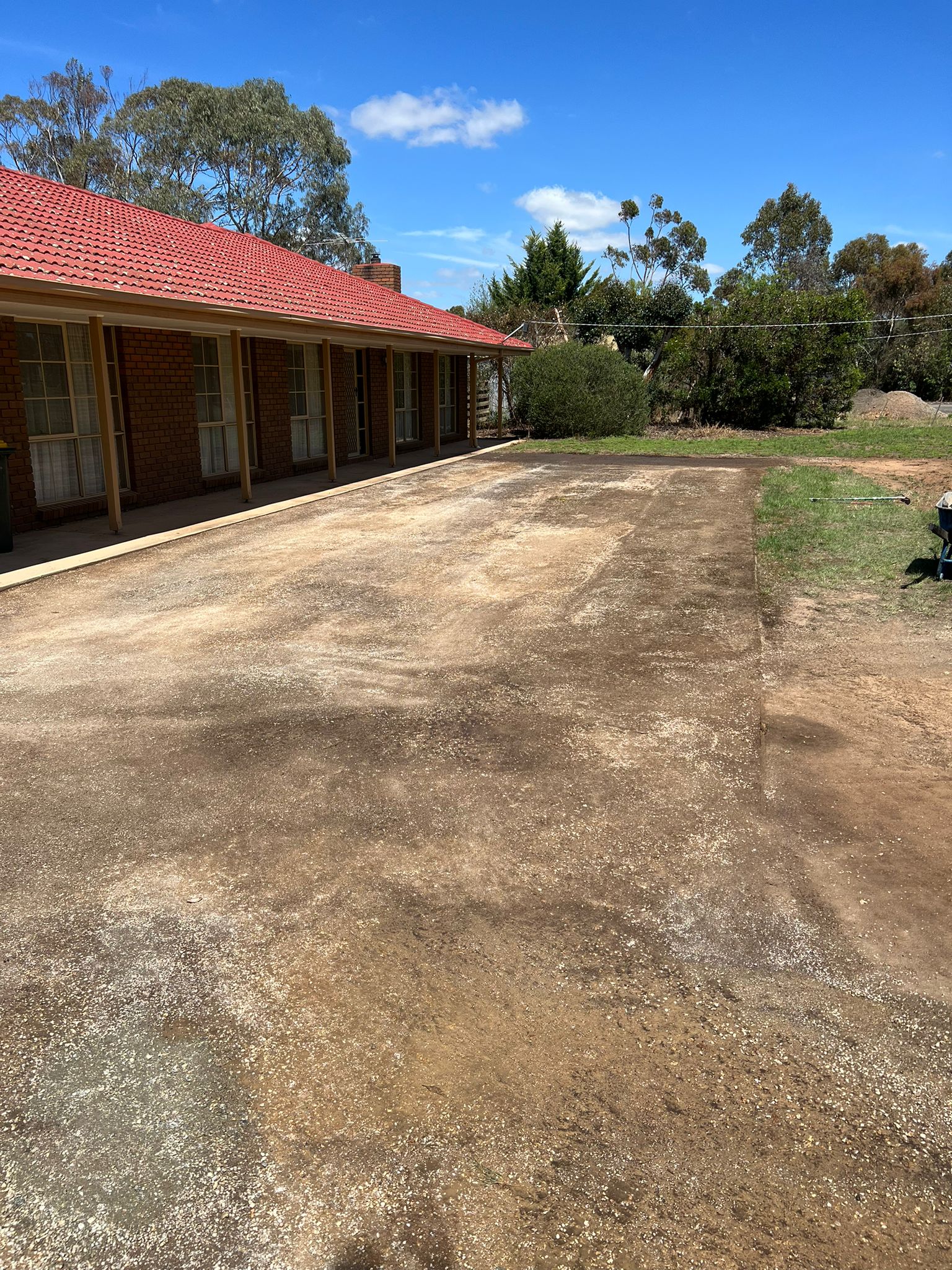
A road may be judged by the quality of its finished asphalt or bitumen surface, but its long-term performance is determined just as much by what lies underneath. Before asphalt is laid or a Spray & Seal treatment is applied, the existing ground must be assessed, shaped and prepared to provide a stable foundation for the pavement above.
Skipping or rushing this stage can leave weaknesses beneath an otherwise professional-looking surface. Once regular traffic begins, those weaknesses can contribute to settlement, cracking, rutting, potholes and drainage problems. For road construction projects in Wagga Wagga, NSW, careful ground preparation is therefore one of the most important steps towards creating a durable and dependable pavement.
A Road Is a Complete Pavement Structure
A road is not simply a layer of asphalt placed directly onto existing ground. It is a system of materials and layers designed to work together.
The upper surface provides a durable area for vehicle movement, while the prepared layers underneath distribute traffic loads and maintain pavement stability.
Depending on the requirements of the project, construction may involve:
- Preparing the existing subgrade
- Removing unsuitable material
- Establishing appropriate levels
- Installing pavement base materials
- Compacting each required layer
- Creating suitable drainage falls
- Applying the final asphalt or bitumen surface
Every stage affects how well the completed road performs.
Ground Conditions Need to Be Understood First
Before construction begins, the existing site needs to be assessed.
Ground conditions can vary considerably, even across the same project. Some sections may provide good support, while others may contain softer or less stable material.
If these differences are ignored and the pavement is simply constructed over them, sections of the road may settle or move differently under traffic.
Professional ground preparation identifies potential weaknesses so they can be addressed before they are hidden beneath the finished pavement.
The Foundation Must Support Traffic Loads
Every vehicle travelling over a road places pressure on the pavement. The purpose of the underlying structure is to distribute those loads rather than allowing excessive stress to remain concentrated beneath individual tyres.
This becomes particularly important where roads are expected to accommodate:
- Frequent vehicle movements
- Commercial traffic
- Heavy vehicles
- Repeated turning
- Regular braking and acceleration
Ground preparation and pavement construction should therefore reflect how the road will actually be used.
A road designed around its expected traffic is better equipped to maintain its shape and stability over time.
Compaction Creates Stability
One of the most important elements of pavement preparation is compaction.
Loose or inadequately compacted material can continue settling after the road has been completed. If different areas settle at different rates, the finished surface can become uneven.
Effective compaction helps create a dense and stable platform that supports the pavement layers above.
Correct compaction can help reduce the likelihood of:
- Uneven settlement
- Surface depressions
- Rutting
- Pavement movement
- Premature cracking
It is an essential part of building a road from the ground up rather than relying on the surface layer to compensate for weaknesses underneath.
Correct Levels Are Established During Preparation
Ground preparation also determines the basic shape and levels of the road.
This affects not only driving quality but also the way rainfall moves across and away from the pavement.
Poorly prepared levels can create low areas where water collects. Once standing water begins exploiting cracks or pavement edges, moisture can reach the supporting structure and contribute to deterioration.
Careful grading helps establish a consistent road profile before the final surface is installed.
Drainage Must Be Considered From the Beginning
Water is one of the major factors affecting pavement longevity.
If water is allowed to collect on the road or remain within the pavement structure, supporting materials can lose stability. Traffic repeatedly passing over these weakened sections can then contribute to deformation and surface failure.
Professional road construction considers drainage during the preparation stage.
The road may need to be shaped to encourage water to move towards appropriate drainage areas rather than remaining within traffic lanes.
Why Drainage and Ground Preparation Work Together
Effective drainage depends on correct pavement levels, crossfall and surrounding site conditions.
This is why drainage problems cannot always be solved by changing the surface alone. The underlying shape of the road and surrounding ground must support effective water movement.
Getting these details right before surfacing provides better protection for the entire pavement.
Poor Preparation Can Lead to Cracking
Cracks in asphalt are not always caused by a problem with the asphalt itself.
If the foundation moves, settles or loses stability, stresses can transfer through the pavement until cracks appear at the surface.
This can be particularly problematic when new asphalt has simply been installed over an unsuitable foundation.
Preparing the ground correctly helps minimise avoidable movement and gives the finished asphalt a more stable platform on which to perform.
Potholes Can Begin With Problems Below the Surface
Potholes often appear to be surface defects, but their development can involve deeper pavement weaknesses.
A common sequence involves water entering a crack or vulnerable section, weakening the pavement beneath and allowing repeated traffic to flex the surface. Material eventually breaks away, creating a pothole.
If the pavement already contains poorly compacted or unstable sections, this deterioration can develop more readily.
A strong foundation combined with effective drainage helps reduce the conditions that contribute to pothole formation.
Ground Preparation Helps Prevent Rutting
Rutting creates noticeable wheel tracks or depressions along frequently travelled sections of a road.
Where the supporting pavement is inadequate, repeated vehicle loads can cause materials beneath the surface to move or compact further.
Over time, the asphalt above follows this deformation.
Proper preparation helps ensure the pavement is capable of supporting the intended traffic rather than continuing to compress after construction.
Unsuitable Ground Should Not Simply Be Covered
One of the key benefits of professional site preparation is the opportunity to identify unsuitable areas before the road is constructed.
Covering soft, unstable or badly deteriorated ground with new pavement material does not necessarily remove the problem. The weakness can remain underneath and eventually affect the finished road.
Where necessary, unsuitable sections should be appropriately treated or reconstructed before proceeding with the pavement layers above.
The objective is to resolve the cause of instability rather than simply hide it.
Preparation Is Important for Asphalt and Spray & Seal Roads
Different surfacing methods have different characteristics, but all depend on an appropriately prepared pavement underneath.
Asphalt requires a stable base capable of supporting the finished layer and its expected traffic.
Spray & Seal also relies heavily on the condition of the pavement beneath because the bitumen and aggregate primarily provide a sealed wearing surface rather than correcting major structural weaknesses.
Whichever surfacing method is selected, good preparation remains fundamental.
Planning for How the Road Will Be Used
Professional road construction is not based solely on the current appearance of the site.
Contractors also need to understand the road’s intended purpose.
Important considerations include:
- Expected traffic volumes
- Types of vehicles
- Frequency of heavy vehicle use
- Turning and loading areas
- Drainage requirements
- Existing ground conditions
- Future site use
Considering these factors early allows the road structure to be prepared around real operational requirements.
Why Professional Ground Preparation Adds Long-Term Value
Much of the work involved in preparing a road disappears once the final asphalt or bitumen surface is installed. That does not make it any less important.
Professional preparation provides the foundation for:
- Stable pavement performance
- Better load distribution
- Effective drainage
- Consistent road levels
- Reduced unwanted movement
- Longer-lasting surfacing
A smooth new surface can improve a road immediately, but a properly constructed foundation is what helps that surface continue performing as traffic and environmental exposure take their toll.
Professional Road Construction Looks Below the Surface
Experienced road contractors assess the complete pavement rather than focusing solely on the finished appearance.
Ground preparation, grading, base construction, compaction, drainage and surfacing all need to work together. If one element is overlooked, the performance of the entire road can be affected.
For road construction in Wagga Wagga, NSW, taking the time to prepare the site properly provides a much stronger starting point for a reliable asphalt or bitumen pavement.
Conclusion
Road construction begins with careful ground preparation because the finished surface needs a stable, properly shaped and well-compacted foundation beneath it. Good preparation helps distribute traffic loads, establish effective drainage, reduce settlement and minimise the risk of cracking, rutting, potholes and other forms of premature deterioration.
For property owners, businesses and site operators in Wagga Wagga, NSW, professional preparation is an essential part of achieving dependable long-term road performance. Wagga Wagga Road Tech provides asphalt, bitumen and road construction solutions with careful attention to ground conditions, grading, drainage and pavement preparation. If you are planning a new road or upgrading an existing surface, contact our team to discuss the requirements of your site and the most appropriate approach for a durable result.
Call us on: 02 5926 2530
Click here to find out more about Wagga Wagga Road Tech
Click here to complete our contact form and see how we can help with your driveway needs.