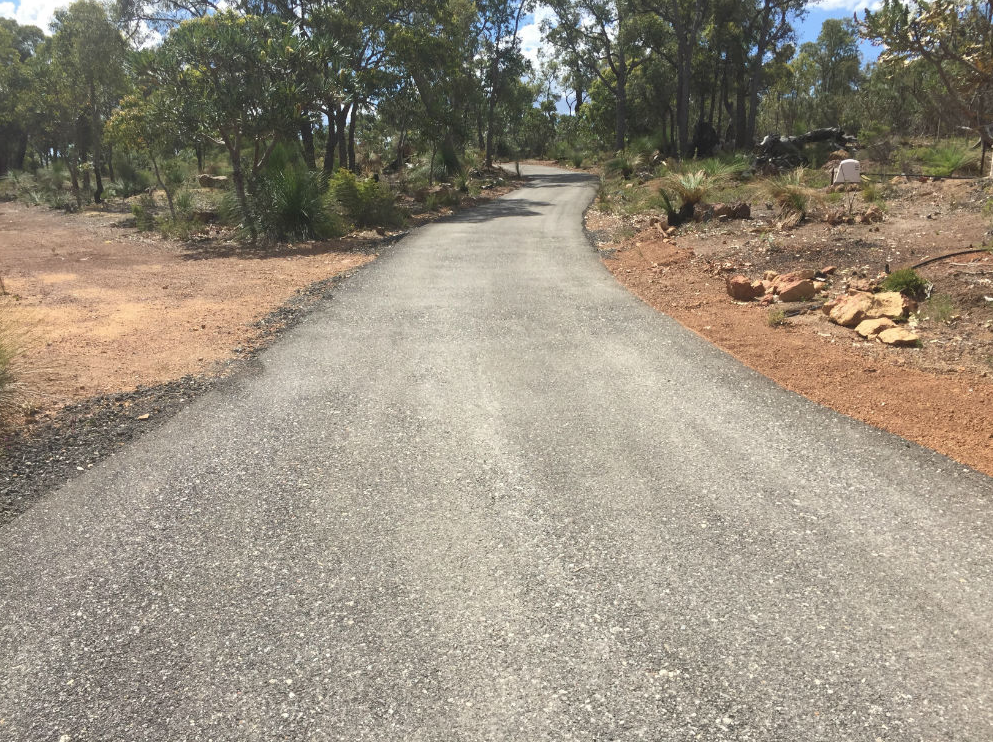
Choosing the right driveway surface is an important decision for any property owner. A driveway needs to do more than provide a convenient place to park vehicles. It should offer reliable access, withstand regular use, complement the appearance of the property and remain practical to maintain over time. With several surfacing options available, understanding the differences between materials can help you make a more informed decision.
For homeowners and property owners in Wagga Wagga, NSW, local conditions should also be considered when selecting a driveway surface. Temperature changes, periods of heavy rainfall and everyday vehicle traffic can all influence how well different materials perform. Choosing a suitable surface from the beginning helps create a driveway that meets your property’s needs and provides lasting functionality.
Consider How Your Driveway Will Be Used
Before selecting a driveway material, think about how frequently the area will be used and the type of vehicles it needs to accommodate.
A driveway serving a single household with occasional vehicle movements may have different requirements from one used regularly by multiple vehicles, delivery vehicles or heavier machinery.
Important considerations include:
- The number of vehicles using the driveway.
- The weight and size of the vehicles.
- The frequency of daily traffic.
- Whether vehicles need to turn or reverse within the space.
- The amount of space available for parking and access.
Understanding these requirements helps determine the strength, thickness and preparation needed for the chosen surface. A driveway designed around its intended use is less likely to develop premature wear, rutting or surface deterioration.
Understanding Different Driveway Surfacing Options
Different driveway materials offer their own advantages, and the most suitable choice will depend on the property’s layout, appearance and practical requirements.
Asphalt Driveways
Asphalt is a popular option for residential and larger access areas because it creates a smooth, continuous surface. It is suitable for regular vehicle traffic and provides a neat, practical finish.
Its flexibility allows it to accommodate some ground movement, although proper base preparation and drainage remain essential. Regular maintenance can also help preserve the surface and address minor defects before they develop further.
Spray Seal Driveways
Spray seal surfacing involves applying a bitumen-based binder followed by an aggregate layer. It provides a textured finish and can be suitable for longer driveways, access roads and properties requiring a practical sealed surface.
The aggregate creates a distinctive appearance while the binder helps protect the underlying base. Correct preparation and application are important for achieving an even and durable result.
Gravel Driveways
Gravel can be a practical choice for properties with larger outdoor areas or longer access routes. It offers a more natural appearance and can be installed in different aggregate sizes to suit the intended use.
However, gravel surfaces may require regular grading and replenishment to maintain an even finish. Without suitable edging and drainage, stones can also become displaced through vehicle movement and rainfall.
Concrete Driveways
Concrete provides a firm, stable surface that can suit a variety of property styles. It is available in different finishes and can offer a clean, organised appearance.
However, correct ground preparation, reinforcement where appropriate and suitable joint placement are important to help manage cracking and movement over time.
Consider Wagga Wagga’s Climate and Ground Conditions
Local environmental conditions should play an important role when choosing a driveway surface. In Wagga Wagga, NSW, hot summer conditions can place additional demands on exposed driveway materials.
Asphalt, for example, can soften in extreme heat, particularly where the surface has not been correctly designed or installed. Other materials also have their own considerations, including expansion, cracking and surface movement.
Rainfall and water runoff are equally important. Poor drainage can allow water to collect on the driveway or penetrate the supporting layers, potentially weakening the base and contributing to potholes or uneven sections.
A professional assessment of the existing ground, driveway slope and drainage requirements helps identify a suitable surfacing system for the property.
Think About Drainage and Surface Preparation
Even a high-quality driveway material can perform poorly if the ground beneath it has not been prepared properly.
The existing surface may need to be excavated, levelled and compacted before a suitable base is installed. The base provides essential support and helps distribute vehicle loads across the driveway.
Drainage should also be planned carefully so that water flows away from the driveway rather than collecting in low points or near buildings.
These preparation stages are particularly important for preventing common problems such as sinking, cracking, rutting and potholes. A properly constructed foundation helps the finished surface remain stable under everyday use.
Match the Driveway to Your Property’s Appearance
Practical performance is essential, but the appearance of your driveway should not be overlooked. As one of the first features visitors notice, it can influence the overall presentation of your property.
Consider the colour, texture and finish of the material alongside your home’s exterior, landscaping and surrounding outdoor areas.
A smooth asphalt finish may suit a modern property, while gravel or spray seal can complement more open spaces and longer rural-style access routes. Concrete can also provide a clean finish that works well with a range of architectural styles.
Choosing a surface that complements the property helps create a more consistent and attractive outdoor environment.
Why Professional Driveway Installation Matters
Selecting the right material is only one part of creating a reliable driveway. The quality of installation, ground preparation, compaction and finishing all influence how well the surface performs.
An experienced driveway contractor can assess the property, discuss suitable materials and identify any issues that may affect the finished result. This includes checking the existing ground conditions, access requirements, drainage and expected traffic levels.
At Wagga Wagga Road Tech, careful consideration of these factors helps ensure that driveway surfacing solutions are suited to the property’s practical requirements.
Conclusion
Choosing a driveway surface involves balancing durability, appearance, maintenance requirements and suitability for local conditions. Asphalt, spray seal, gravel and concrete each offer different benefits, so the right choice depends on how the driveway will be used and the characteristics of the property.
For property owners in Wagga Wagga, NSW, considering ground preparation, drainage and the local climate is equally important when planning a new driveway.
If you are considering a new driveway or upgrading an existing surface, Wagga Wagga Road Tech can help you explore suitable surfacing options. Get in touch to discuss your property requirements and arrange a professional driveway assessment.
Call us on: 02 5926 2530
Click here to find out more about Wagga Wagga Road Tech
Click here to complete our contact form and see how we can help with your driveway needs.