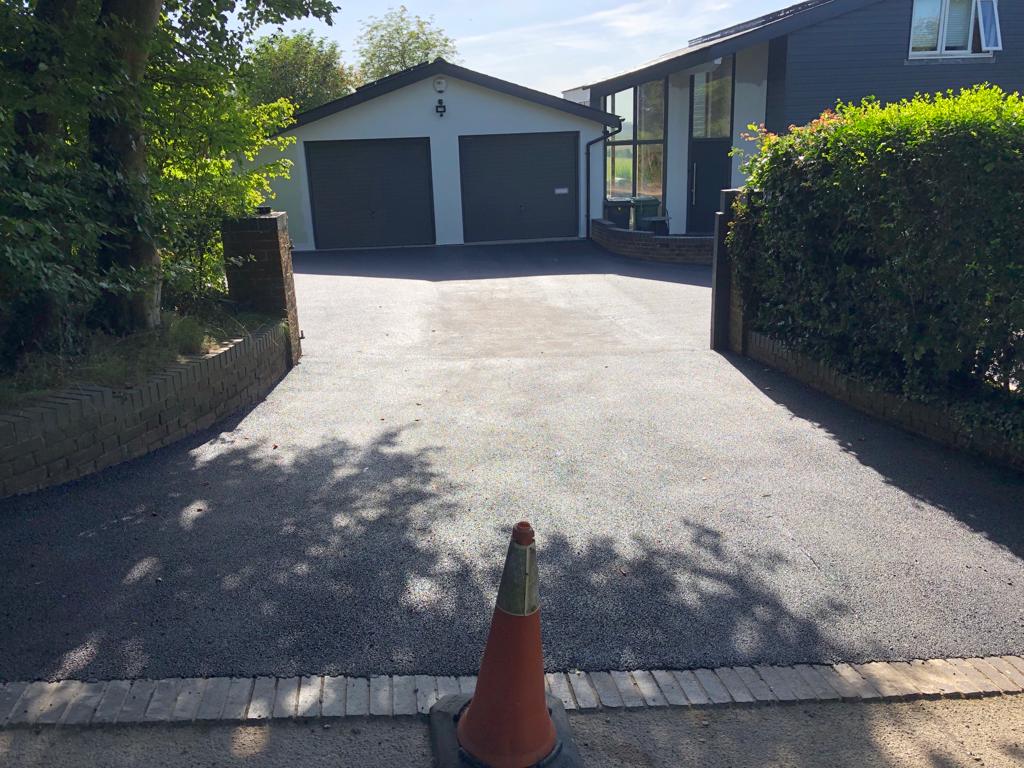
Grading is one of the most critical stages in asphalt and bitumen surfacing, yet it is often underestimated. When surfaces are not graded correctly, even high-quality materials can deteriorate far sooner than expected. In Wagga Wagga, poor grading is a common underlying cause of premature surface failure across roads, driveways, access routes, and business sites.
Understanding how grading affects surface performance highlights why proper preparation is essential for long-term durability.
What Grading Actually Does
Grading establishes the correct shape, levels, and fall of a surface before asphalt or bitumen is applied. Its purpose is to ensure water drains away efficiently and loads are distributed evenly across the pavement.
When grading is carried out correctly, the surface works with the underlying ground conditions rather than against them.
Water Retention Accelerates Surface Breakdown
One of the biggest consequences of poor grading is inadequate drainage. If a surface does not have the correct fall, water can pool or flow back toward the pavement rather than away from it.
Standing water penetrates joints and small cracks, weakening the base layers below. As traffic passes over these softened areas, the surface begins to flex, crack, and break apart, leading to rapid deterioration.
Uneven Load Distribution Causes Early Failure
Incorrect grading can create high and low points across a surface. These uneven areas concentrate weight in specific locations rather than spreading loads evenly.
Over time, this results in rutting, depressions, and cracking, particularly in areas subject to repeated vehicle movement or turning. Even light traffic can cause damage when loads are not properly supported.
Increased Stress on Asphalt and Bitumen Layers
Asphalt and bitumen surfaces are designed to perform within specific tolerances. Poor grading forces the surface to compensate for uneven support beneath it, increasing internal stress within the pavement layers.
This stress accelerates surface fatigue, causing cracks to form earlier and spread more quickly across the surface.
Ongoing Maintenance Becomes More Frequent
Surfaces affected by poor grading often require frequent repairs. Potholes, edge breakdown, and surface deformation become recurring issues because the underlying problem has not been resolved.
Without correcting the grading, repairs tend to be short-lived, leading to repeated disruption and ongoing surface management challenges.
The Importance of Proper Grading From the Start
Correct grading provides a stable foundation that allows asphalt and bitumen to perform as intended. It supports effective drainage, even load distribution, and long-term surface integrity.
Professional assessment and preparation ensure the finished surface is built to handle site-specific conditions and ongoing use.
Conclusion
Poor grading leads to rapid surface deterioration because it allows water retention, uneven load distribution, and increased structural stress. These factors work together to shorten surface life and increase maintenance demands.
Wagga Wagga Road Tech provides professional grading and asphalt surfacing solutions designed to deliver long-lasting performance in Wagga Wagga. If your surface is showing early signs of wear or drainage issues, arranging a professional assessment is the first step towards correcting the underlying cause and protecting long-term surface performance.
Call us on: 02 5926 2530
Click here to find out more about Wagga Wagga Road Tech
Click here to complete our contact form and see how we can help with your driveway needs.