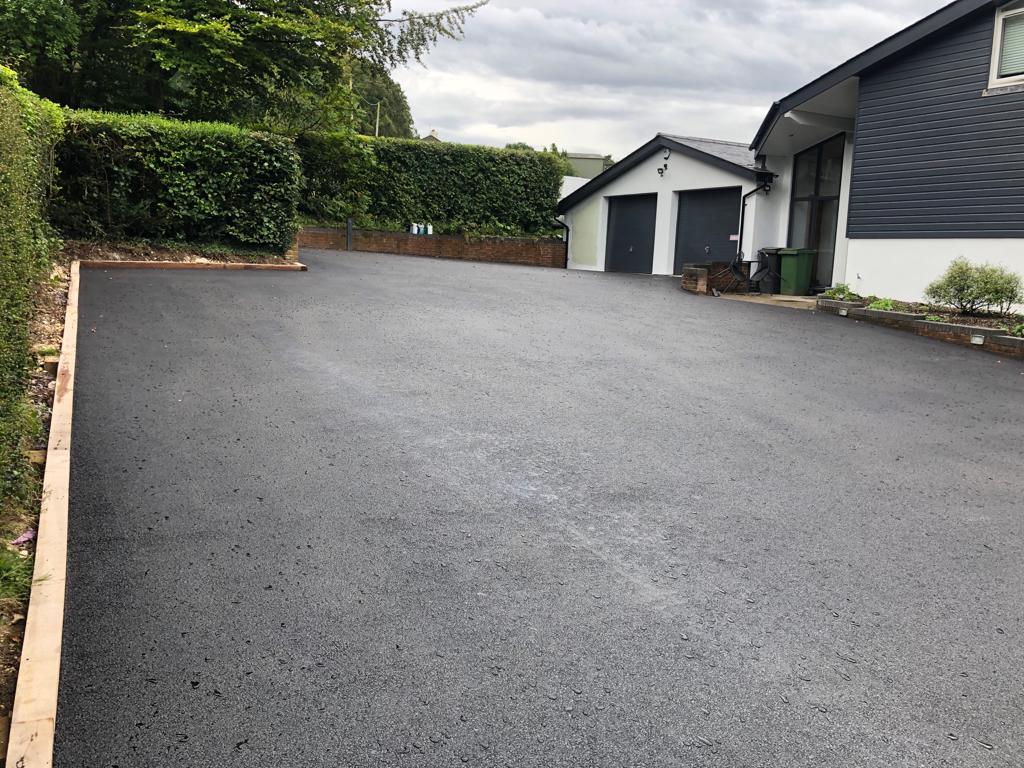
A reliable road surface does more than just provide a smooth ride—it contributes directly to safer, more predictable driving. In Wagga Wagga, where rural and urban roads support everything from family cars to heavy freight, choosing the right surfacing material is critical. Asphalt remains a top choice for safety and consistency under all traffic and weather conditions.
The Link Between Road Surface and Driver Safety
The quality of the road surface has a direct effect on vehicle control, braking distances, and overall driver confidence. Asphalt is engineered to meet these demands with a blend of smoothness, grip, and resilience. Its performance under variable conditions is one of the key reasons it’s widely used across Wagga Wagga and surrounding areas.
Key Safety Benefits of Asphalt
Asphalt offers a combination of safety features that outperform many alternative surfacing materials. These advantages make it particularly suitable for roads, car parks, and driveways exposed to diverse use.
Consistent Grip in Wet and Dry Conditions
- The texture of asphalt provides effective surface friction
- Reduces the risk of skidding or hydroplaning in wet weather
- Supports shorter braking distances compared to older or uneven surfaces
Enhanced Visibility and Surface Predictability
- Uniform dark colouring improves contrast for road markings
- Fewer visual distractions such as cracks or patchwork repairs
- Drivers can anticipate the road ahead with greater confidence
Smoother Transitions and Safer Lane Changes
- Seamless joints reduce vehicle vibration and wheel instability
- Smooth ride quality helps reduce fatigue on long journeys
- Ideal for intersections, turning lanes, and pedestrian crossings
The Role of Drainage in Road Safety
Proper drainage is essential to prevent water pooling and surface degradation. Asphalt installations by Wagga Wagga Road Tech are graded and compacted to encourage efficient runoff, keeping the road clear and reducing slip hazards during and after rain events.
Drainage design includes:
- Correct camber or crossfall to channel water to gutters or verges
- Smooth, sealed surface that prevents water penetration
- Reinforced edges that help retain structural integrity over time
Minimising Long-Term Risks
Over time, poorly maintained surfaces can develop cracks, potholes, and loose debris—all of which pose serious safety risks. Asphalt helps delay these issues thanks to:
- Flexibility under load, reducing early surface cracking
- Bitumen content that seals out moisture
- Ease of repair and resurfacing without major disruption
When required, resealing or resurfacing is straightforward, helping keep roads in Wagga Wagga safe with minimal downtime or inconvenience to the public.
Where Asphalt Delivers Safety the Most
Asphalt is especially effective in the following settings:
- Suburban streets with high residential use
- Rural access roads prone to weather-related wear
- Bus lanes, freight routes, and logistics zones
- School zones and car parks with pedestrian activity
- Driveways with regular turning movements and vehicle traffic
Conclusion
A well-laid asphalt surface improves more than the appearance of a road or driveway—it directly contributes to safer driving conditions. In Wagga Wagga, where roads play a vital role in supporting the community and local economy, asphalt’s ability to provide smooth, grippy, and reliable surfaces makes it an ideal solution.
Call us on: 02 5926 2530
Click here to find out more about Wagga Wagga Road Tech
Click here to complete our contact form and see how we can help with your driveway needs.